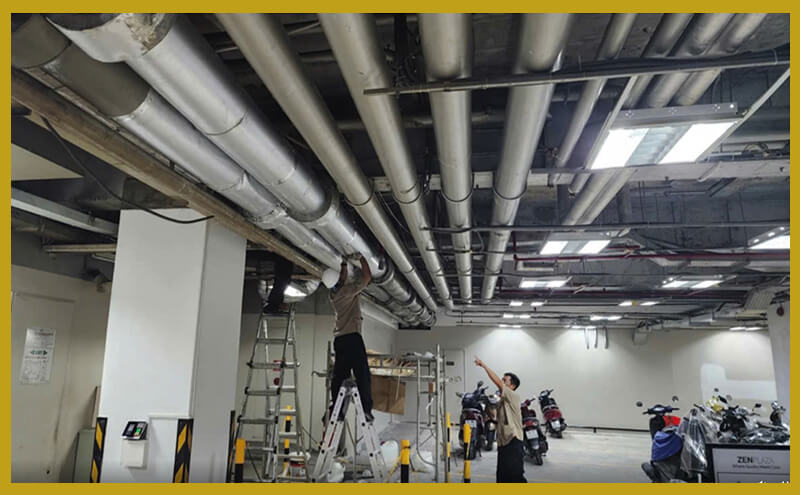
In a competitive market, the difference lies in something very simple:As the new year begins, everything still runs smoothly. No error reports via email. No slow elevators. No “unstable” air conditioning.For over 20 years, Zen Plaza has believed that year-end maintenance is a silent investment in long-term trust.👉 Because tenants stay where things simply work.ZEN


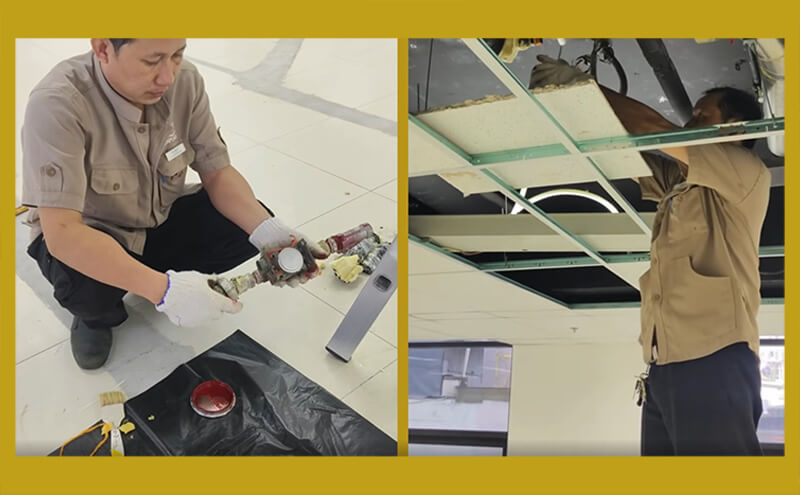
WHAT MAKES A PROFESSIONAL YEAR-END MAINTENANCE CHECKLIST?
The office market is changing: tenants care more about operations and less about promises.An effective year-end checklist always focuses on four elements:– Electrical – Water – Backup systems– Elevators & Air conditioning– Safety & Fire prevention and fighting– Common areasThese items do not create a “wow effect,” yet they determine the daily work experience. At
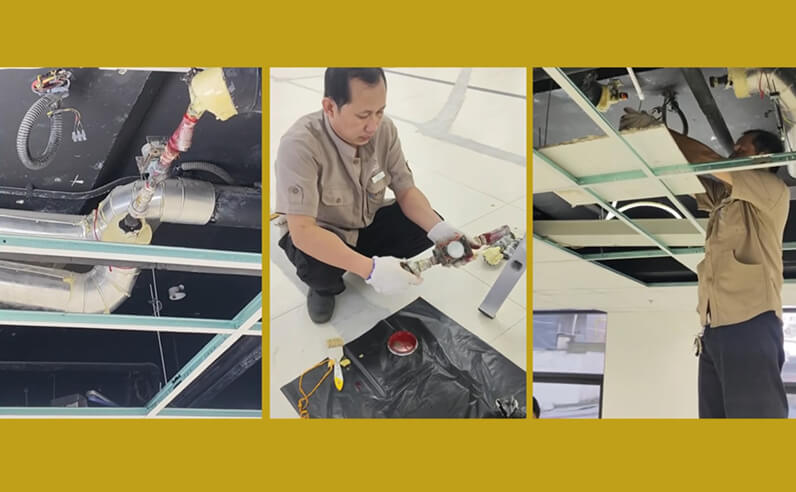
YEAR-END MAINTENANCE IS NOT A TASK. IT’S A MINDSET
As the year ends, the Ho Chi Minh City office market enters a period of “silent evaluation.”The key metric is not just the vacancy rate, but which buildings operate stably as the new year begins. For businesses, technical incidents at the start of the year are issues they prefer not to mention—yet always remember for
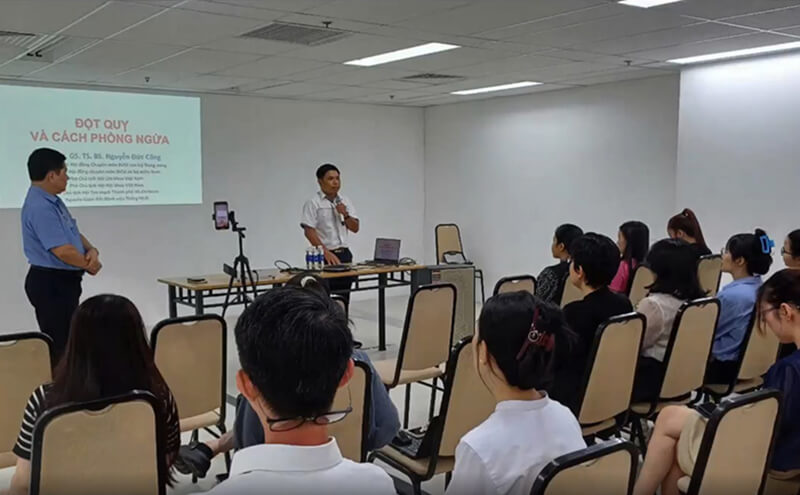
CLOSING THE YEAR READY TO GROW WITH OUR TENANTS
The final week of the year is not only about reflection, but preparation: system reviews, staff training, and continuous service refinement.A well-managed office building provides a solid foundation for businesses to step into the New Year with confidence.We sincerely wish our tenants a healthy, successful, and sustainable New Year 2026.May our building continue to support

YEAR-END KAIZEN: SMALL IMPROVEMENTS THAT ADD UP
Improvement doesn’t wait for the new year. Every small adjustment in operations, reception service, or technical response enhances tenant experience.The KAIZEN mindset allows long-standing buildings to remain reliable and valuable over time.Planning for moving next year? Do not hesitate, reach out to us right now! ZEN PLAZAA Member of Nomura Real EstateWhere Quality Meets Care094