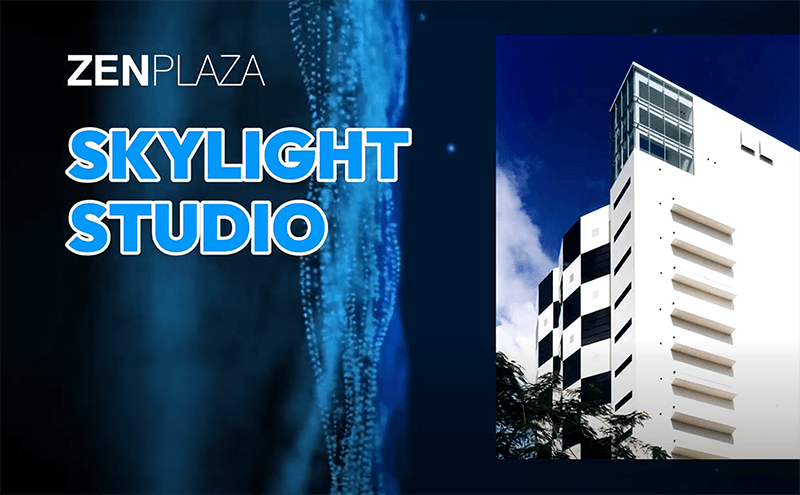
Floor Area: Approximately 40 m²Ceiling Height: A record-breaking 7.5mThe architectural highlight features a three-sided glass curtain wall system, offering panoramic urban views and maximizing natural daylight for an optimal working environment.The project is currently in its pre-leasing phase, perfectly suited for a boutique headquarters, a creative studio, or an exclusive corporate executive lounge.Estimated Handover Timeline:


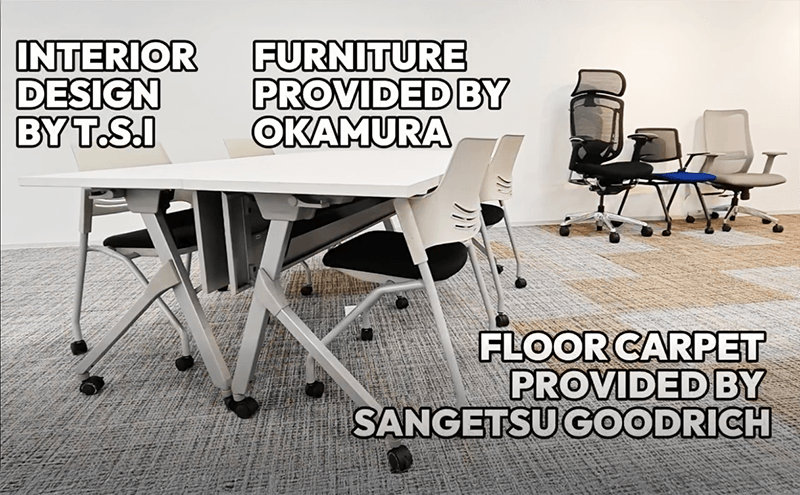
A FURNISHED OFFICE EXPERIENCE INSPIRED BY JAPANESE STANDARDS
More than a workplace, the only fully Japanese styled furnished offices at Zen Plaza thoughtfully prepared business environment that allows companies to begin operations from day one.✔ OKAMURA furniture – a trusted Japanese brand known for durability, comfort, and ergonomic design.✔ Japanese management standards – ensuring consistent operations, security, and professional service.✔ Integrated amenities –
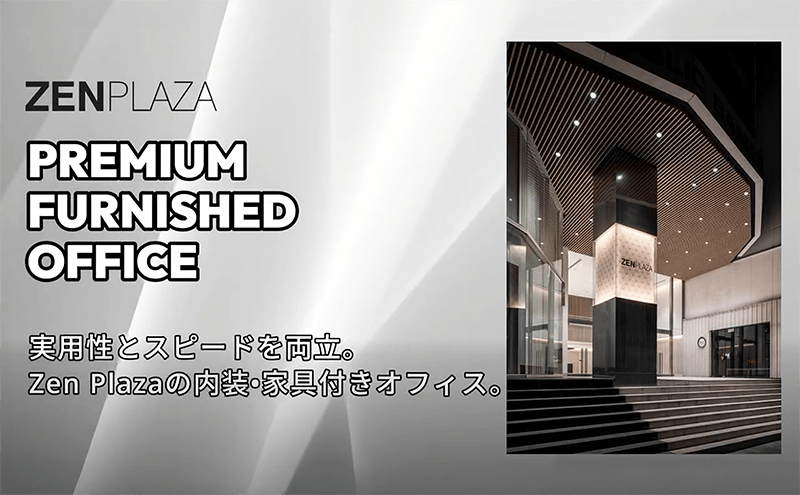
READY TO WORK – READY TO GROW
In business, setup time is opportunity cost. Every day spent on office design, fit-out, and preparation is a day away from your core business objectives.Zen Plaza introduces its Premium Furnished Office (120 sqm) — a move-in-ready workspace designed for companies that value efficiency, flexibility, and speed to operation.Strategic CBD Location: Situated in the heart of
“PLUG-AND-PLAY” IS THE NEW REQUIREMENT OF FDI
Vietnam’s next wave of FDI is expected to reach USD 15 billion by 2026 — led by technology, finance, and R&D sectors.Unlike previous generations of investment, today’s international companies are not looking for empty space and long setup timelines.They are looking for speed, operational readiness, and certainty.In this environment, setup time directly translates into opportunity
THE RISE OF “REAL VALUE” IN CBD OFFICES
In today’s new growth cycle, international businesses are seeking more than just a central business address.The CBD office market is shifting toward “real value” — where operational quality, technical standards, and management capability have become the defining factors.It is about maintaining stable building systems, meeting ESG expectations, and creating a reliable working environment that supports