Forecasting the second half of 2026, the definition of a “Furnished Office” will transcend the mere physical presence of furniture. The trend will move towards providing a comprehensive “growth ecosystem.” Tenants will demand furnishings that comply with ESG standards, feature eco-friendly materials, and protect employee health. An ideal workspace must nurture positive energy, helping teams


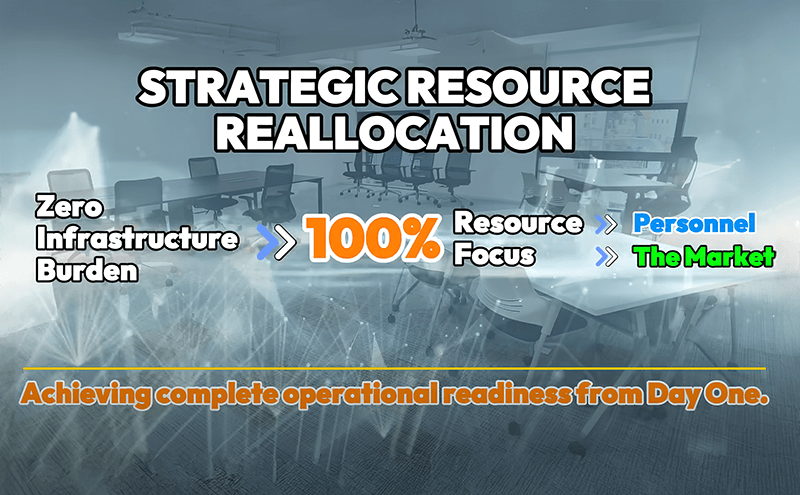
THE STANDARDIZED WORK ECOSYSTEM
In the coming period, the “Turnkey Office” model will evolve far beyond the mere concept of “seat rental.” MNCs will prioritize spaces that are not only fully equipped but also possess excellent operational capabilities. The synergy between a convenient office and international-standard building management—especially the Japanese management philosophy characterized by dedication, safety, and transparency—will become
THE RESOURCE CONVERSION EQUATION
The financial logic of choosing a “Furnished Office” lies in resource optimization. Financial balance analysis indicates that this model is the lever for businesses to be “Ready to Grow”:Eliminating CapEx: Completely erasing the massive initial costs for design, fit-out, and fixed asset procurement.Maximizing OpEx: Cash flow is liberated and directly rotated into core revenue-generating activities
SPEED AS A STRATEGIC ASSET
Entering Q2/2026, market data reveals a significant shift in the behavior of foreign businesses. The most important insight is that “Setup Time” has become the biggest barrier to market entry decisions.Under the “Ready to Work” model, companies now prioritize fully equipped workspaces — from IT infrastructure to ergonomic furniture. Tenants simply bring their laptops and
THE ECONOMIC EQUATION OF DURABILITY AND COMFORT
Forecasts indicate that office design is entering a “Human-centric” era. Businesses will no longer compromise on poor-quality materials that negatively impact the environment and health. The fusion of precise craftsmanship and eco-friendly materials will prevail. Turnkey offices utilizing furnishings with clear origins, green certifications, and end-user friendliness will possess absolute competitive power. This is how