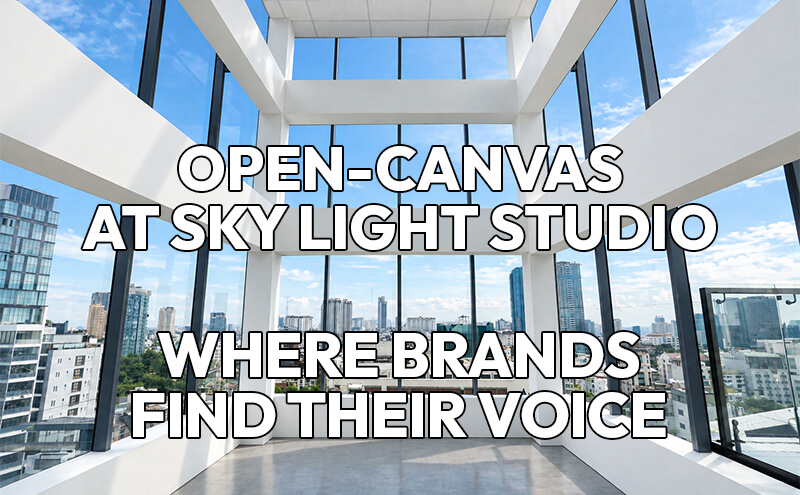
What can a 40 sq m office achieve when endowed with a 7.5 m ceiling height and 3-sided panoramic glass framing the CBD skyline?At Sky Light Studio, the conventional floor plate is redefined as an “Open-Canvas”—a pristine backdrop ready to realize any unique architectural vision:Expansive Space: Boasting 2.5 times the height of a standard office,


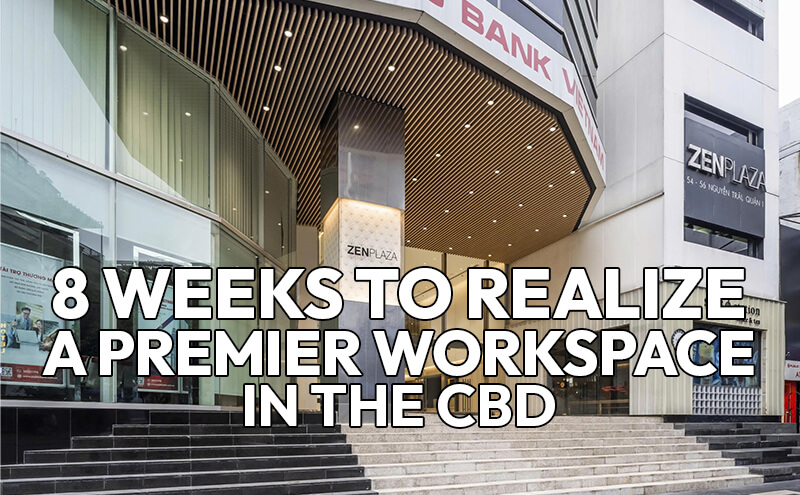
8 WEEKS TO REALIZE A PREMIER WORKSPACE IN THE CBD
Have you ever envisioned owning a rooftop office featuring 7.5-meter high ceilings and a 270° panoramic view in just 6 to 8 weeks?At Sky Light Studio (Rooftop – Zen Plaza), we turn your vision into reality through our streamlined handover process:Creative Flexibility for Tenants: Utilize the 8-week period starting from the deposit payment to finalize
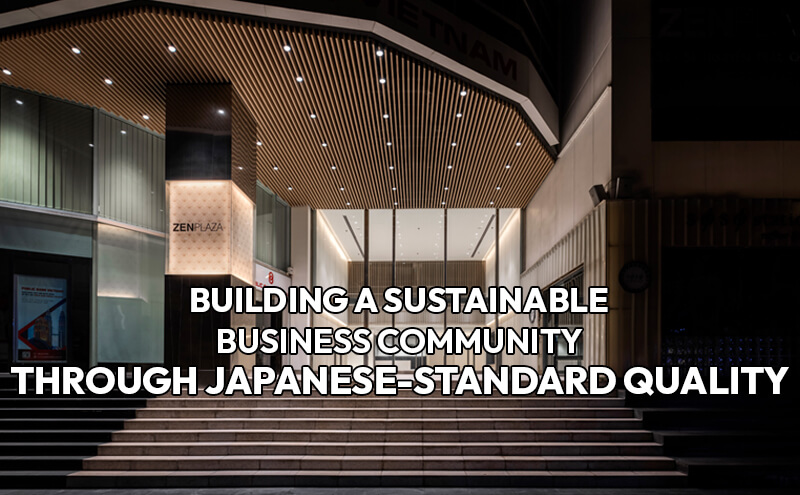
BUILDING A SUSTAINABLE BUSINESS COMMUNITY THROUGH JAPANESE-STANDARD QUALITY
In HCMC’s competitive commercial real estate market, the most sustainable factors for tenant retention are service quality and community value. At Zen Plaza, building operations go beyond standard technical maintenance or security, aiming instead to foster a human-centric and highly connected business environment.Backed by the brand reputation and management standards of Nomura Real Estate, Zen
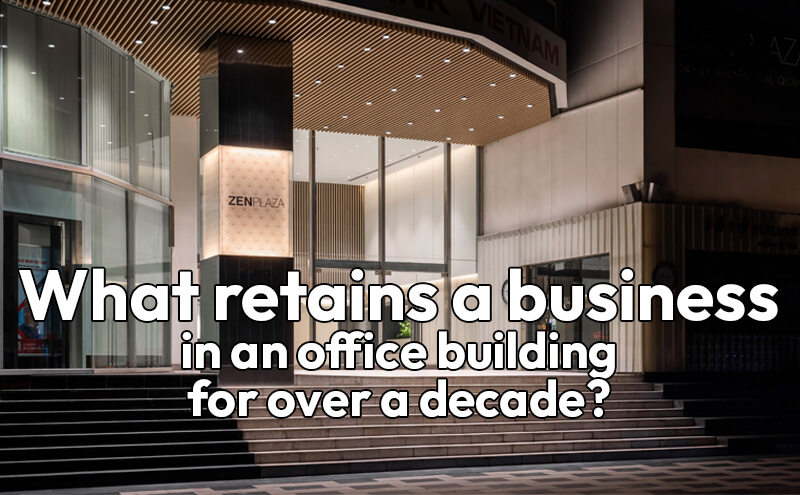
WHAT RETAINS A BUSINESS IN AN OFFICE BUILDING FOR OVER A DECADE?
In Ho Chi Minh City, the cost of relocating an office extends beyond physical infrastructure and facilities—it directly impacts and disrupts the experience of both employees and business partners.At Zen Plaza, we measure success not merely by occupancy rates, but by the long-term engagement and cohesion of our tenant community.Embracing Japanese operational standards from Nomura
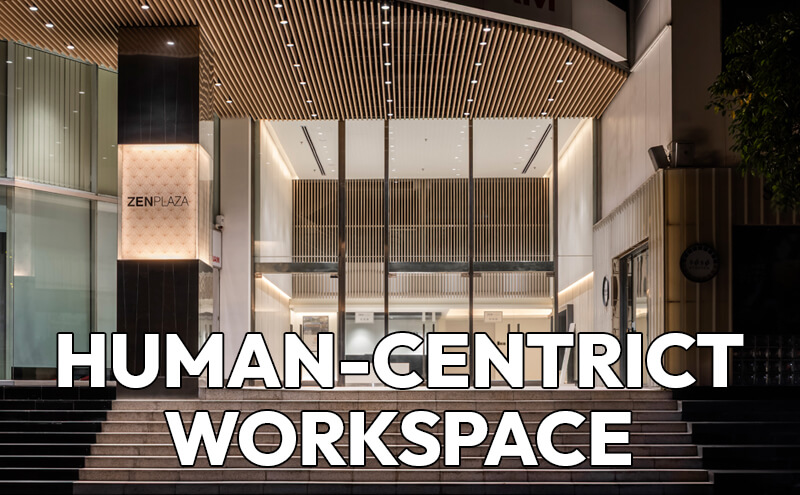
HUMAN-CENTRIC WORKPLACE
Did you know: Employee productivity depends significantly on the meticulousness of their surrounding environment—from clean air quality and robust security systems to a welcoming smile every morning.At Zen Plaza, we believe that sustainable business success stems from a space designed with a human-centric focus.Embodying the spirit of Omotenashi (wholehearted service) and the principle of Kaizen